July 11, 2026
Why Fleets Should Get Regular Trailer Service
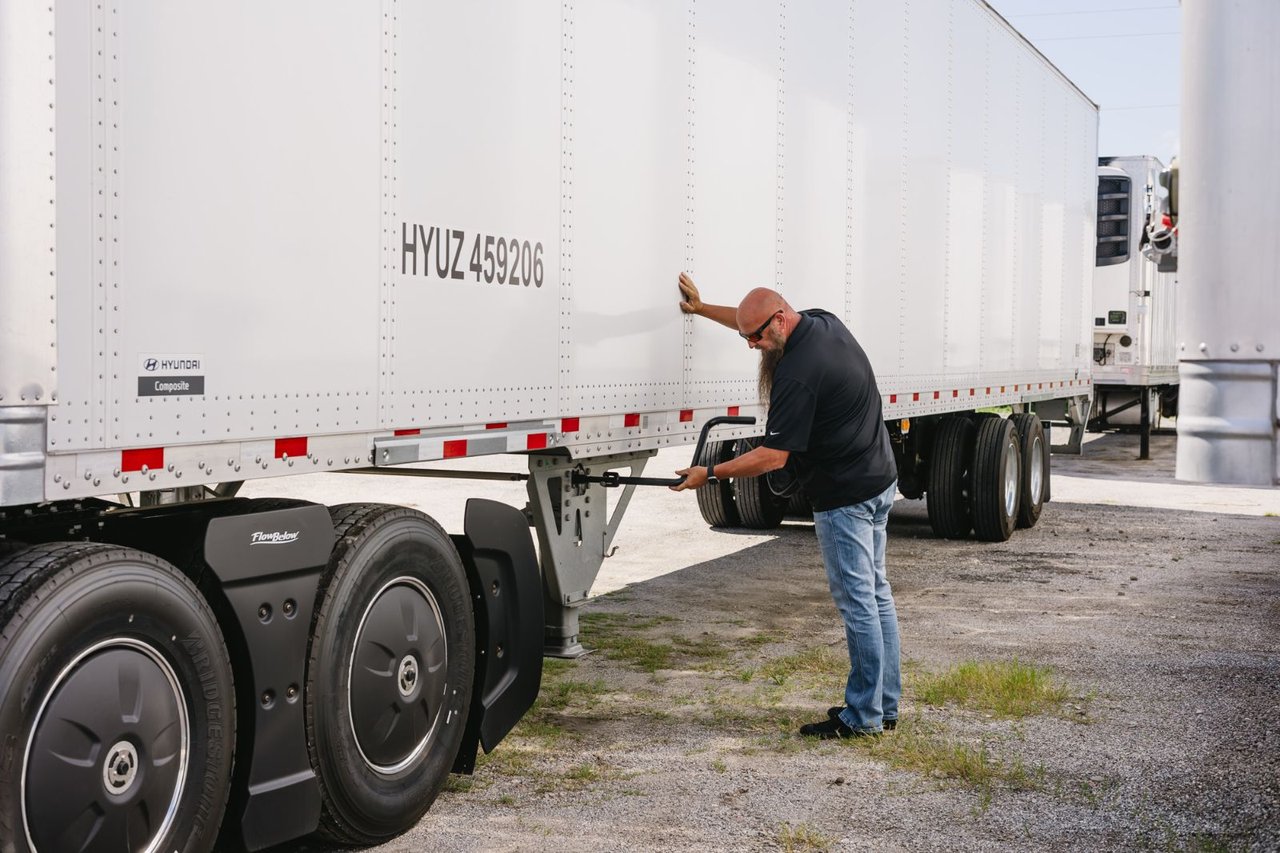
DUE FOR SERVICE?
Our technicians inspect, repair and maintain trailers of every make and model.
Your trailers work hard every day, hauling valuable cargo across thousands of miles in changing road and weather conditions. Like any piece of commercial equipment, they experience wear over time. The difference between a reliable trailer and one sitting on the side of the road often comes down to one thing: consistent trailer service.
Waiting until something breaks almost always leads to more expensive repairs, unexpected downtime, and missed deliveries. Regular maintenance helps identify small issues before they become major problems, keeping your fleet safer, more reliable, and more profitable.
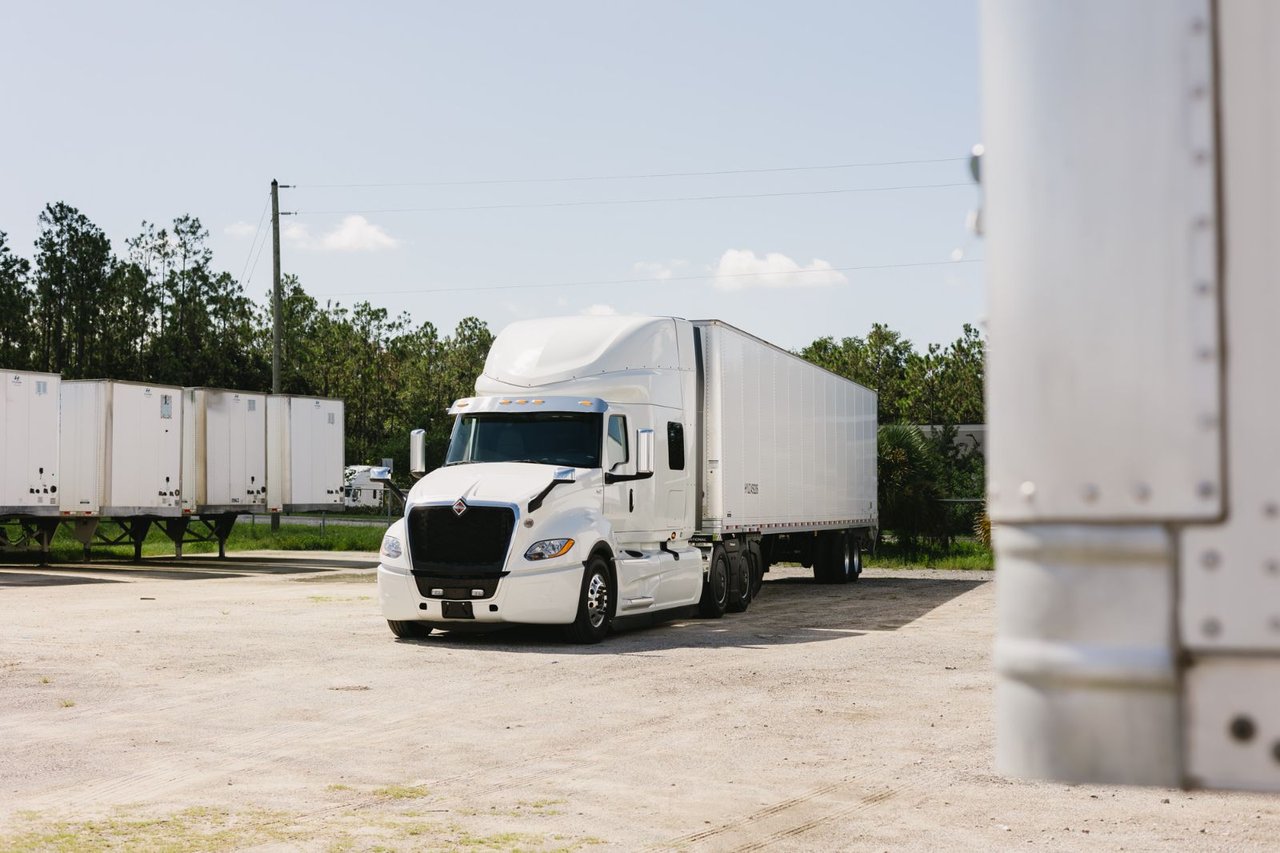
Why Regular Trailer Service Matters
Every mile puts stress on your trailer's major components. Brakes wear down, suspension parts loosen, tires lose tread, bearings experience friction, and electrical systems are exposed to moisture and road debris. Routine trailer service allows technicians to inspect these systems before a minor concern turns into a costly breakdown.
The benefits include:
- Fewer roadside repairs
- Improved driver safety
- Longer trailer lifespan
- Better fuel efficiency
- Reduced repair costs
- Improved DOT compliance
- Increased fleet uptime
Staying ahead of maintenance isn't just good business; it's a critical part of operating a compliant fleet.
What Should Be Included During Trailer Service?
Professional trailer maintenance involves much more than changing worn parts. Every service appointment is an opportunity to evaluate the overall health of the trailer. A comprehensive inspection typically includes:
Brake System Inspection
Trailer brakes are one of the most important safety systems on the vehicle. Technicians inspect brake shoes, drums, chambers, air lines, slack adjusters, and overall brake performance to ensure everything is operating properly.
Suspension Components
Suspension systems absorb constant stress from heavy loads and rough roads. Worn bushings, damaged springs, or failing suspension components can lead to uneven tire wear and reduced stability.
Tires and Wheels
Proper tire pressure and healthy tread help maximize fuel efficiency while reducing the chance of roadside blowouts. During trailer service, technicians inspect:
- Tire wear patterns
- Inflation levels
- Wheel bearings
- Hubs
- Lug nuts
- Wheel seals
Lighting and Electrical Systems
Damaged wiring or burned-out lights can quickly result in DOT violations. Every service visit should include testing:
- Brake lights
- Turn signals
- Marker lights
- ABS systems
- Trailer wiring connections
Structural Inspection
Frames, crossmembers, landing gear, doors, and coupling equipment are inspected for signs of damage, corrosion, or excessive wear that could affect safe operation.
Build a Trailer Preventive Maintenance Checklist
One of the best ways to reduce unexpected repairs is by following a consistent trailer preventive maintenance checklist. Every fleet should regularly inspect:
- Brakes
- Tires
- Suspension
- Wheel bearings
- Air system components
- Lighting
- Electrical wiring
- Landing gear
- Door seals and hinges
- Trailer frame
- Coupling devices
Using a standardized inspection process helps maintenance teams identify trends before they become expensive failures.
Schedule Service With Sun State Trailers
Preventative maintenance is far less expensive than emergency repairs. If your trailers are due for routine inspections or repairs, the experienced technicians at Sun State Trailers are ready to help. Our team works efficiently to minimize downtime while providing the dependable service your fleet relies on.
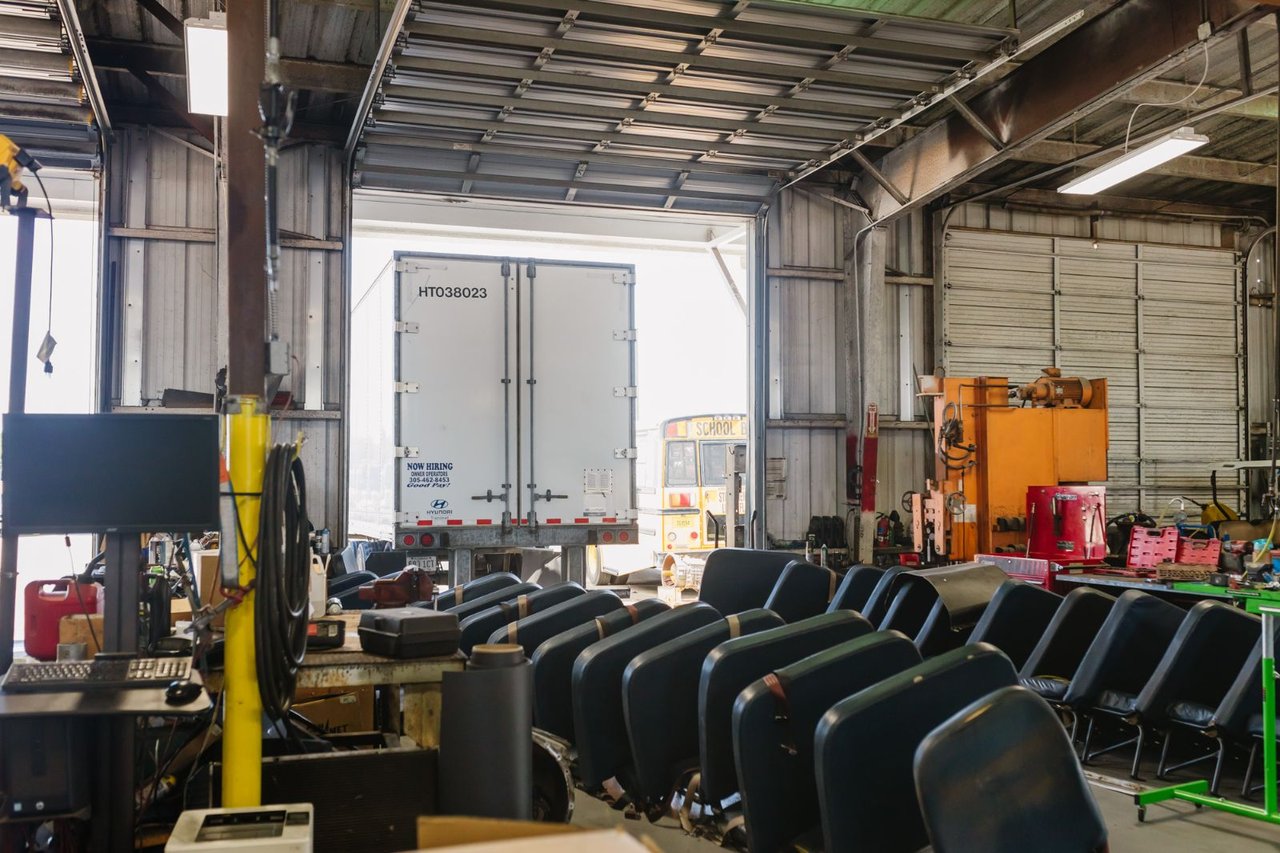
Creating a Preventive Maintenance Schedule for Semi Trailers
Every fleet operates differently, so there isn't a one-size-fits-all maintenance interval. A proper preventive maintenance schedule for semi trailers should consider several factors, including:
- Annual mileage
- Cargo weight
- Road conditions
- Climate
- Trailer age
- Manufacturer recommendations
High-mileage fleets often require more frequent inspections than trailers used occasionally or on shorter regional routes. Keeping detailed maintenance records also makes it easier to schedule future service before problems develop.
Why Preventative Maintenance for Semi Trailers Pays Off
Some maintenance expenses can feel easy to postpone when business gets busy. Unfortunately, deferred maintenance usually costs more in the long run. Investing in preventative maintenance for semi trailers helps fleets:
- Reduce emergency repair costs
- Avoid delivery delays
- Improve driver confidence
- Increase trailer resale value
- Reduce out-of-service violations
- Extend equipment life
Instead of replacing major components after a failure, preventative maintenance focuses on repairing normal wear before it creates larger mechanical issues. For fleet owners, that means more predictable maintenance costs and fewer surprises.
Keep Your Fleet Moving With Sun State Trailers
Consistent trailer service is one of the smartest investments you can make for your fleet. By following a reliable trailer preventive maintenance checklist and maintaining a proactive preventive maintenance schedule for semi trailers, you can reduce downtime, improve safety, and avoid costly repairs before they happen. Schedule service with Sun State Trailers today and let our team help keep your trailers working as hard as you do.
Keep reading
More from the blog.
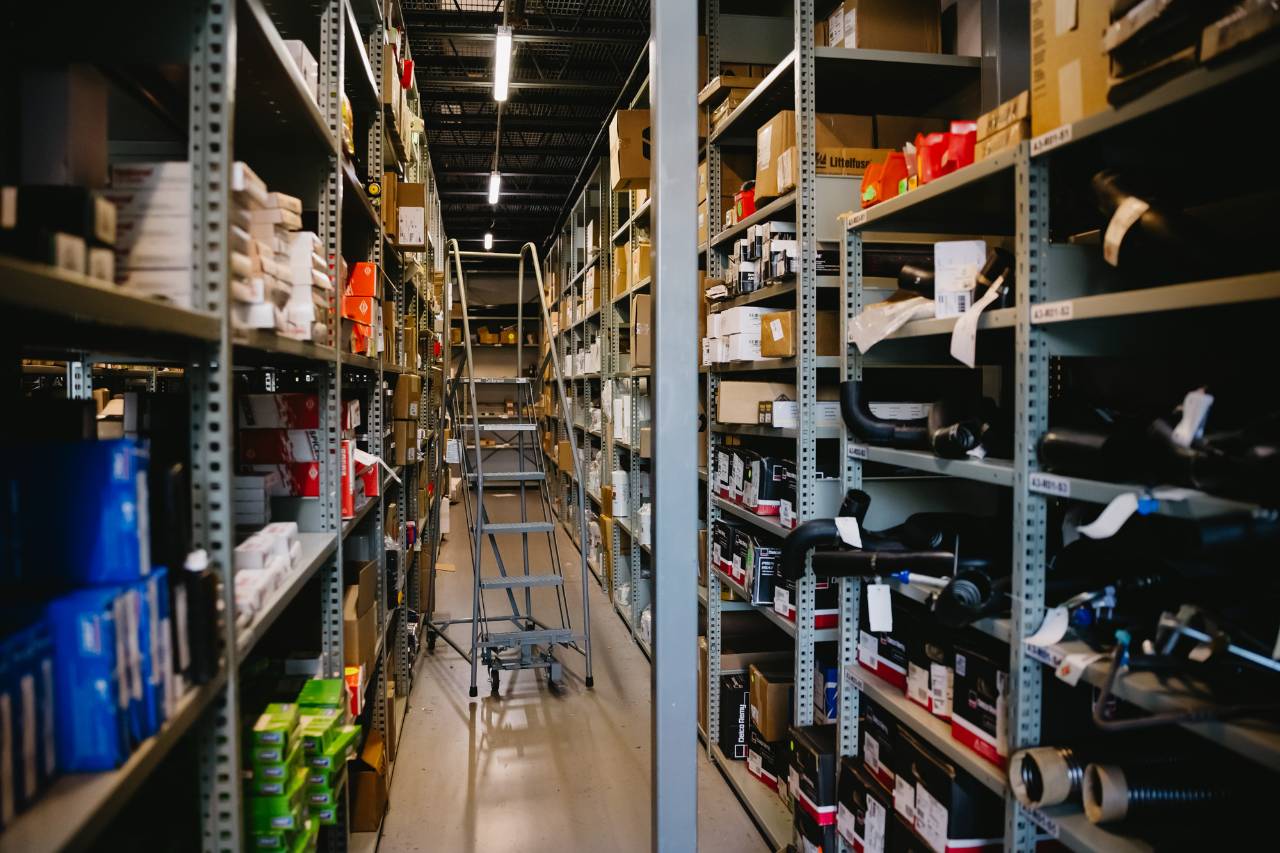
Parts, service and support
Keep your trailers on the road.
Call (800) 741-7566 to schedule trailer service at any Sun State location in Florida.